


index.By | index.Published on 2025-05-25 18:47:37
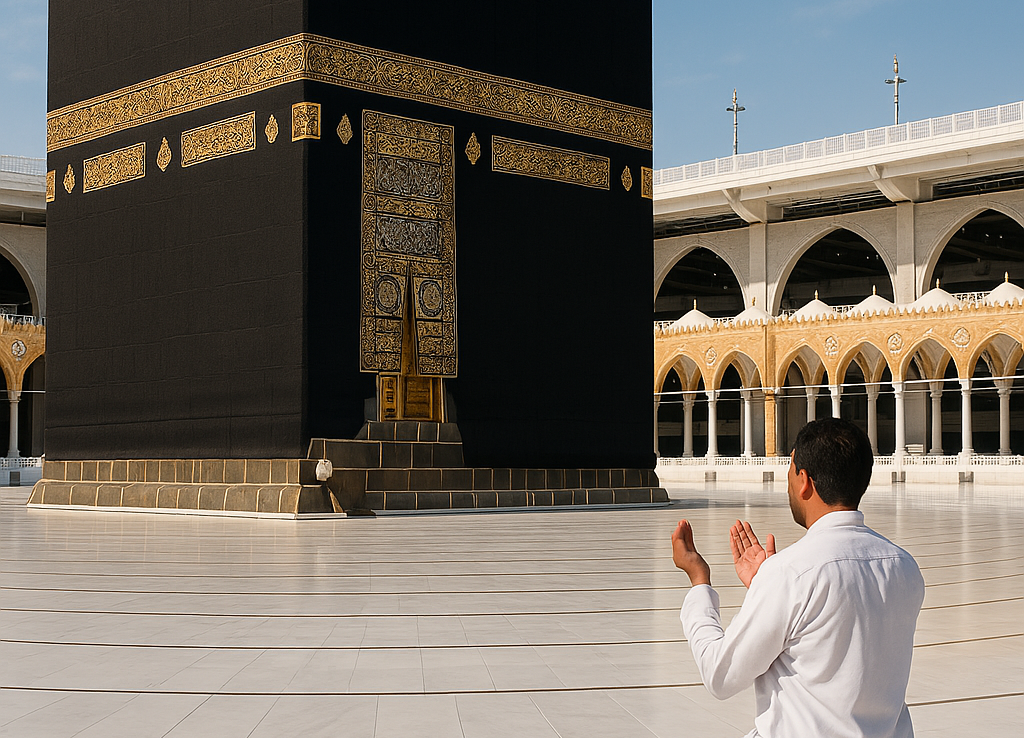
Hajj and Umrah are two significant forms of pilgrimage in Islam, both carrying deep spiritual importance for Muslims around the world. While they share similarities in rituals and destination — the holy city of Mecca in Saudi Arabia — they differ in their obligation, timing, and scale.
These sacred journeys are not just physical travels but profound spiritual transformations that mark the believer’s devotion, humility, and submission to Allah.
Hajj is one of the five pillars of Islam, making it a religious obligation for every financially and physically able Muslim at least once in their lifetime. It takes place annually during the Islamic month of Dhu al-Hijjah, specifically between the 8th and 13th days.
Ihram – Entering a state of spiritual purity and wearing special white garments.
Tawaf – Circling the Kaaba seven times in a counter-clockwise direction.
Sa’i – Walking between the hills of Safa and Marwah, commemorating Hagar's search for water for her son Ismail.
Standing at Arafat (Wuquf) – The central rite of Hajj where pilgrims gather in prayer and reflection.
Muzdalifah and Mina – Pilgrims collect pebbles to perform the symbolic stoning of the devil (Ramy al-Jamarat).
Eid al-Adha Sacrifice – An animal is sacrificed to commemorate the devotion of Prophet Ibrahim (Abraham).
Hajj culminates in spiritual renewal and symbolizes unity, as Muslims from diverse backgrounds perform the same rituals, wearing identical garments.
Umrah, often referred to as the lesser pilgrimage, is not obligatory but highly recommended. It can be performed at any time of the year and usually takes a few hours to complete.
Ihram – Like Hajj, it begins with entering the sacred state.
Tawaf – Circumambulating the Kaaba.
Sa’i – The walk between Safa and Marwah.
Halq or Taqsir – Shaving the head (for men) or cutting a portion of hair (for women) to conclude the pilgrimage.
Though shorter in duration, Umrah carries immense spiritual merit and is often performed multiple times by devout Muslims.
Both Hajj and Umrah are acts of worship that:
Strengthen the relationship between the believer and Allah.
Promote humility, equality, and discipline.
Offer a chance for forgiveness, as Prophet Muhammad (PBUH) said:
"Whoever performs Hajj and does not commit any obscenity or wrongdoing will come out as the day he was born – pure and sinless."
(Bukhari & Muslim)
Hajj and Umrah are more than just rituals; they are journeys of the soul. They reflect the ultimate submission to the Creator and the unity of the Muslim Ummah. For many, these pilgrimages represent the peak of their spiritual lives, a chance to cleanse the heart, seek forgiveness, and return with renewed faith.
Whether performed once in a lifetime or many times, these sacred journeys are reminders of the temporary nature of this world and the eternal significance of the Hereafter.
index.No comments yet.

index.footer.description.
